
Dell and Microsoft extend private cloud AI with Nvidia, Azure Local and Foundry Local for secure, low-cost on-premises enterprise inference.
Dell Technologies and Microsoft are extending their private cloud partnership with infrastructure offerings designed to help enterprises run AI models closer to their data, reduce reliance on public cloud services and maintain control over sensitive information. The announcement, made during Microsoft’s Ignite conference, positions private cloud as a place for AI inferencing rather than only for conventional enterprise workloads.
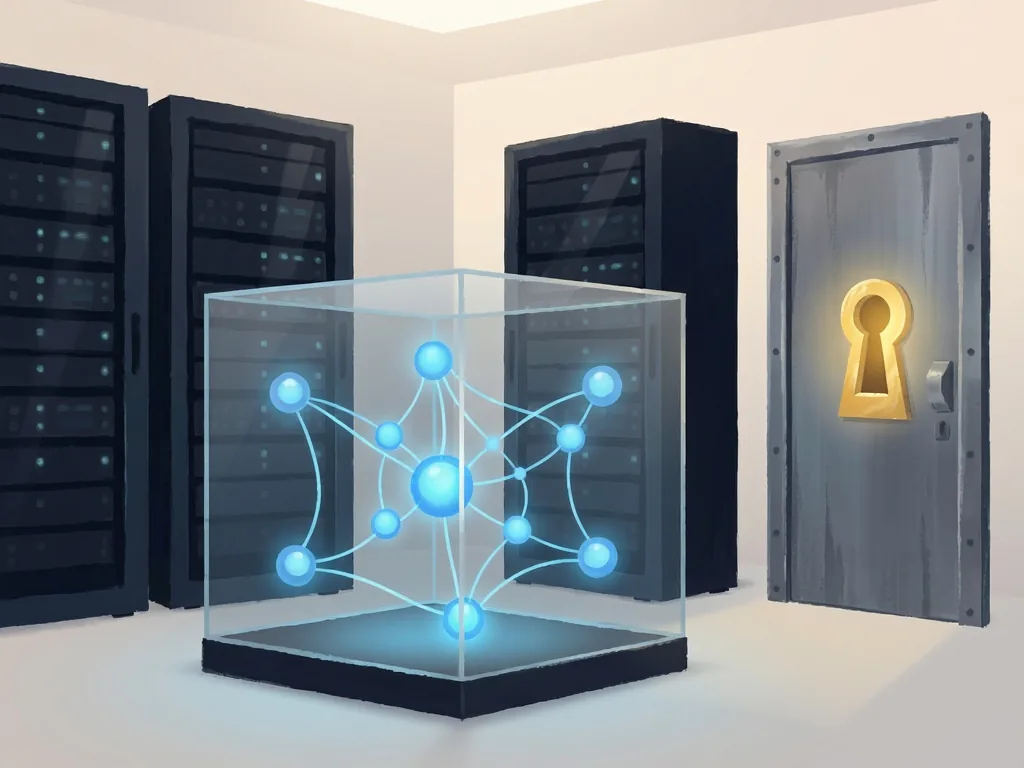
The core judgment is that this expansion matters because it packages four things into a customer-controlled environment: Nvidia-accelerated compute, Dell private cloud infrastructure, Microsoft Azure platform services and Microsoft Foundry Local model execution. The target is not every AI workload. It is workloads where data movement, cost, latency, security or operational control make externally hosted AI services less attractive.
What the announcement adds
The expanded offering combines Dell Private Cloud, Microsoft Azure Local, Microsoft Foundry Local and Nvidia acceleration. The stated objective is to give organizations an integrated infrastructure for deploying heavy AI workloads inside their own data centers and firewalls.
This also extends Dell’s AI Factory with Nvidia initiative to Dell Private Cloud environments. Dell framed the move as part of a broader industry push toward internally deployed AI inferencing, particularly among organizations dealing with sensitive corporate information, regulatory requirements and data residency restrictions.
A central hardware component is the Dell PowerEdge XE9780 server, built around Nvidia’s HGX accelerated computing platform. These systems are designed to provide the dense compute resources required for large-scale AI workloads while integrating with Dell’s existing private cloud infrastructure and management capabilities.
Microsoft is also expanding Azure Local support to Nvidia HGX B300 systems. That gives customers additional hardware options for running AI workloads outside conventional public cloud environments.
Component map
| Layer | Component named in the announcement | Role in the expanded private cloud offering |
|---|---|---|
| Dell infrastructure | Dell Private Cloud | Provides compute and storage systems on which customers can run Microsoft Foundry Local models directly |
| Dell automation | Dell Automation Platform with blueprint-driven automation | Simplifies deployment and ongoing management |
| Microsoft platform foundation | Microsoft Azure Local | Provides infrastructure and management foundation for running Azure services in customer-controlled environments |
| Microsoft model runtime | Microsoft Foundry Local | Lets organizations run AI models on internal systems rather than sending prompts and data to external cloud-based AI services |
| Nvidia acceleration | Nvidia HGX accelerated computing platform; Nvidia HGX B300 systems | Supplies dense compute for large-scale AI workloads and expands hardware options for AI outside conventional public cloud environments |
| Dell AI infrastructure initiative | Dell AI Factory with Nvidia initiative | Extended to Dell Private Cloud environments, supporting AI workloads inside customer-controlled infrastructure |
The architecture is not only about servers. Centralized monitoring, security and governance capabilities are also incorporated into the platform. That places the effort in the same territory as enterprise AI infrastructure: model execution must be tied to visibility, control and operational management.
Where the economics argument comes from
Cost is a major part of the case. The companies describe a shift from experimental AI projects to sustained production deployments. In that transition, consuming AI through cloud-based APIs can become increasingly costly.
Dell cites a September 2026 analysis conducted by Signal65 and Futurum Group, titled The Economics of Agentic AI. According to Dell, the analysis found that organizations deploying agentic AI on Dell AI Factory infrastructure could reduce total cost of ownership by as much as 90% over two years compared with cloud API-based consumption models. The same analysis found that some configurations could reach their break-even point within two to three months.
Those figures should be read as vendor-cited conditions rather than universal outcomes. The source describes potential savings tied to Dell AI Factory infrastructure, agentic AI deployment and comparison against cloud API-based consumption. It does not provide the underlying workload mix, pricing model, utilization assumptions or independent verification.
Operational control and deployment claims
The platform combines two Microsoft technologies serving different roles.
Azure Local provides the infrastructure and management foundation for running Azure services in customer-controlled environments. Its expanded support for Nvidia HGX B300 systems gives enterprises access to accelerated computing hardware for more demanding AI applications.
Microsoft Foundry Local is the model-running layer. It lets organizations run AI models on internal systems rather than sending prompts and data to external cloud-based AI services. This is particularly relevant for inference workloads involving proprietary business data, internal documents and operational data.
Dell says the arrangement will allow customers to run Microsoft Foundry Local models directly on their Dell Private Cloud compute and storage systems. The systems use Dell’s Automation Platform and blueprint-driven automation to simplify deployment and ongoing management.
Dell also attaches operational efficiency claims to the platform. The company says its Private Cloud platform can reduce Day 2 infrastructure operations time by 66% compared with traditional three-tier infrastructure. It also cites potential cost savings of up to 65% compared with hyperconverged infrastructure.
These claims point to the same strategic question: whether private cloud can make AI infrastructure easier to operate after deployment. Day 2 operations matter because AI systems are not only hardware purchases. They involve model updates, monitoring, security policies, capacity management, storage placement and governance controls.
Why private cloud is becoming an AI placement problem
Running AI models locally offers potential advantages involving data sovereignty, security, latency and operational control, not to mention regulatory compliance. The announcement also emphasizes the growing importance of private cloud infrastructure as enterprises seek alternatives to relying exclusively on hyperscale cloud providers.
This is a placement decision, not simply a cost decision. Public cloud AI services remain attractive for rapid experimentation, elastic capacity and managed model APIs. The new positioning becomes relevant when organizations want to keep inference inside their own environment while still using familiar platform layers.
The source names sensitive corporate information, regulatory requirements and data residency restrictions as drivers. Those factors can make external AI services difficult to use for some workloads. They can also make internal AI deployment attractive even when it requires more capital hardware and operational responsibility.
Neutral pros and cons
Pros based on the source:
- Enterprises can run AI models closer to their data, including inside their own data centers and firewalls.
- The combination of Dell Private Cloud, Azure Local, Foundry Local and Nvidia acceleration creates an integrated path for internal AI inferencing.
- Microsoft Foundry Local can process prompts and data internally instead of sending them to external cloud-based AI services.
- Dell cites potential total cost of ownership reductions, break-even timelines and operational time savings.
- Azure Local support for Nvidia HGX B300 systems expands hardware options for AI workloads outside conventional public cloud environments.
- Centralized monitoring, security and governance capabilities are incorporated into the architecture.
Cons and caution points:
- The cost and operational savings figures are vendor-cited and depend on workload configuration and comparison baseline.
- The source does not provide detailed pricing, benchmark methodology or workload assumptions.
- Running AI internally requires capital hardware, infrastructure management and ongoing operational discipline.
- The offering is built around a specific stack: Dell Private Cloud, Microsoft Azure Local, Microsoft Foundry Local and Nvidia HGX acceleration.
- Break-even claims are limited to some configurations, not all deployments.
- Organizations with variable or experimental AI workloads may still find public cloud API consumption more flexible.
Limitations and uncertainties
The announcement does not define every workload that would benefit from this stack. It also does not explain how Foundry Local model selection, performance tuning, storage placement, security policy or governance workflows differ across customer environments.
The September 2026 analysis is described as conducted by Signal65 and Futurum Group and titled The Economics of Agentic AI. The source presents its conclusions through Dell. Readers should treat the 90% total cost of ownership reduction, two-year horizon and two-to-three-month break-even point as case-dependent claims, not guaranteed results.
The platform’s value depends on whether an organization’s AI workloads are steady enough to justify internal infrastructure, whether data cannot or should not leave the environment, and whether the chosen hardware and software stack can be operated efficiently over time.
FAQ
What problem is Dell and Microsoft trying to solve here?
They are offering a private cloud AI infrastructure path for enterprises that want to run AI models closer to their data, reduce reliance on public cloud services and maintain control over sensitive information.
What is Microsoft Foundry Local in this announcement?
Microsoft Foundry Local lets organizations run AI models on internal systems rather than sending prompts and data to external cloud-based AI services. It is described as relevant for inference workloads involving proprietary business data, internal documents and operational data.
What is Azure Local doing in this stack?
Azure Local provides the infrastructure and management foundation for running Azure services in customer-controlled environments. Its expanded support for Nvidia HGX B300 systems is intended to provide accelerated computing hardware for more demanding AI applications.
What hardware is central to the Dell side?
Dell points to the PowerEdge XE9780 server, built around Nvidia’s HGX accelerated computing platform. It is designed for dense compute resources required by large-scale AI workloads while integrating with Dell’s existing private cloud infrastructure and management capabilities.
Are the savings guaranteed?
No. The source presents them as Dell-cited analysis and vendor claims. The September 2026 Signal65 and Futurum Group analysis says organizations could reduce total cost of ownership by as much as 90% over two years compared with cloud API-based consumption models, and some configurations could reach break-even within two to three months. Those outcomes depend on configuration and workload assumptions not fully detailed in the source.
Sources and specifications cited
- Dell Technologies and Microsoft private cloud AI partnership announcement made during Microsoft’s Ignite conference.
- Dell Private Cloud.
- Microsoft Azure Local.
- Microsoft Foundry Local.
- Nvidia HGX accelerated computing platform.
- Nvidia HGX B300 systems.
- Dell PowerEdge XE9780 server.
- Dell Automation Platform and blueprint-driven automation.
- Dell AI Factory with Nvidia initiative.
- September 2026 analysis conducted by Signal65 and Futurum Group, titled The Economics of Agentic AI.
Last updated: Microsoft Ignite announcement; exact publication date not specified in the source.
Reader notes 0
- No notes yet. Corrections and first-hand test results are welcome.